

School anxiety is one of the most common and heartbreaking challenges parents face. Whether it's the morning drop-off tears, the tummy aches that appear every Sunday evening, or the quiet child who refuses to put their hand up in class — school anxiety is real, and it affects more children than most parents realise.
If your little one is struggling, you are not alone. And there are gentle, effective ways to help.
Why Do Children Feel Anxious at School?
Children experience school anxiety for many different reasons. Some common causes include:
- Separation anxiety — especially in the early years of school
- Fear of getting things wrong or not being "good enough"
- Social worries — making friends, fitting in, or being left out
- Big transitions — starting a new school, moving to a new class, or returning after holidays
- Sensitivity — some children simply feel the world more deeply than others
Understanding the root cause is the first step. But once you do, how do you actually help?
5 Gentle Ways to Ease School Anxiety in Children
1. Create a consistent morning routine Anxious children thrive on predictability. A calm, consistent morning routine — the same order every day — reduces the number of unknowns your child faces before they even get to school. Lay clothes out the night before, have breakfast at the same time, and build in a few minutes of quiet connection before you leave.
2. Give them something to look forward to Anxiety lives in the future. When children have something positive to anticipate, it shifts their focus from dread to excitement. It could be a special after-school snack, a favourite TV show, or — as we'll talk about below — something magical arriving in the letterbox.
3. Practise brave self-talk Help your child develop a simple phrase they can say to themselves when anxiety rises. "I am brave. I can do hard things." Repeat it together in the morning. Write it on a small card they keep in their pocket. Simple affirmations, practised consistently, genuinely work.
4. Validate their feelings without amplifying them It's tempting to say "there's nothing to worry about!" — but this can accidentally communicate that their feelings are wrong. Instead, try: "I can see this feels scary. And I also know you are brave enough to do it." Acknowledge the feeling, then gently redirect to their strength.
5. Stay connected throughout the day — even when you're apart One of the most powerful antidotes to separation anxiety is the feeling of being held in someone's thoughts even when they're not physically there. A love note in the lunchbox, a small token from home in their pocket, or — our personal favourite — a letter that arrives just for them.
The Magical Thing That Builds Confidence Month After Month
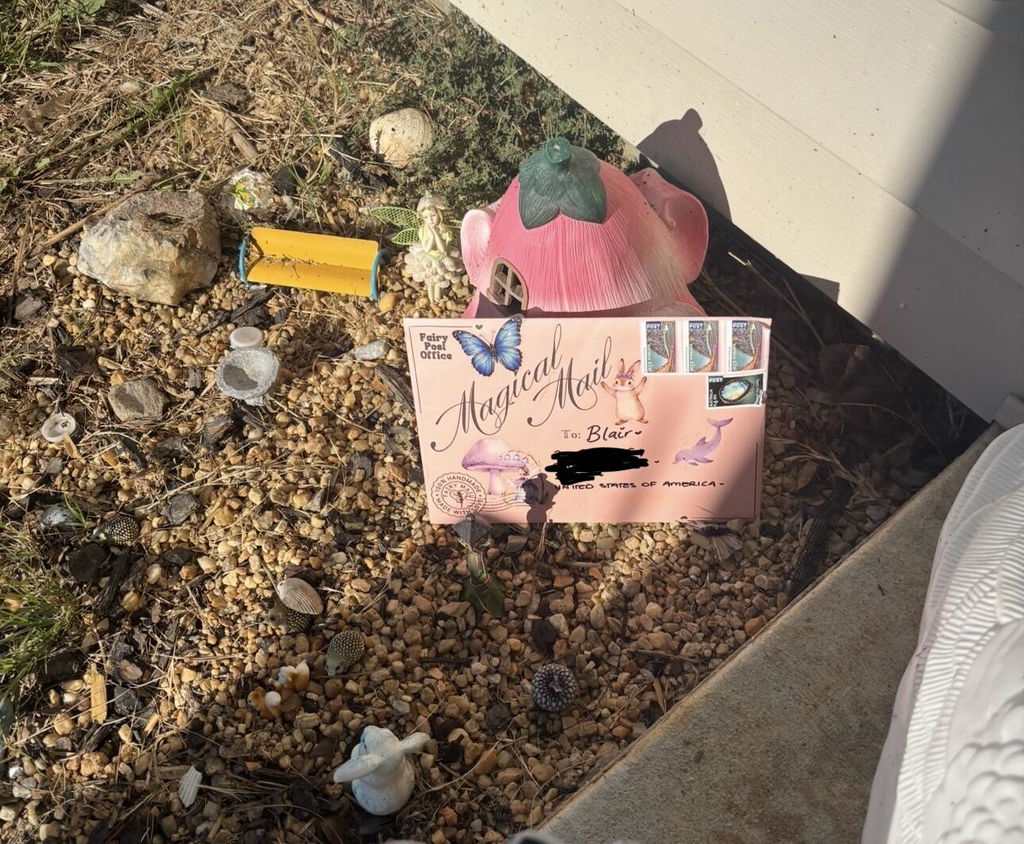
At Fairy Post Office, we hear from parents all the time about how a personalised fairy letter transformed their anxious child's relationship with school.
There's something deeply powerful about a child receiving a letter addressed directly to them — from a fairy who knows their name, celebrates their bravery, and gently reminds them that they are kind, capable and truly special.
One Fairy Post Office mum told us her daughter had been struggling with school drop-offs for months. After her first fairy letter arrived — full of encouragement about being a brave big kid — the little girl carried it to school in her bag for a week.
"She said the fairies were watching over her," her mum told us. "It changed everything."
Each month, a new letter arrives from the Fairy Post Office Woodlands — a continuing story that builds confidence, kindness and imagination one delivery at a time. With keepsakes, fairy dust, and a wax-sealed envelope addressed just to your child, it's more than mail. It's a monthly reminder that they are seen, they are loved, and they are brave enough for whatever comes next.
When to Seek Extra Support
If your child's anxiety is significantly impacting their daily life — persistent refusal to attend school, physical symptoms, or extreme distress — it's always worth speaking with your child's teacher, your GP, or a child psychologist. These strategies are wonderful complements to professional support, but they're not a replacement when extra help is needed.
You're doing an amazing job by simply paying attention and looking for ways to help. That love is the most powerful thing of all. 🧚♀️
0 comments