

In a world of instant messages, push notifications and disappearing stories, there's something quietly revolutionary about a letter arriving in the post.
For children especially, physical mail — real paper, in a real envelope, addressed to them by name — offers something that no screen can replicate. And the science backs it up.
The Lost Art of Anticipation
Let's start with something that sounds simple but is actually profound: waiting.
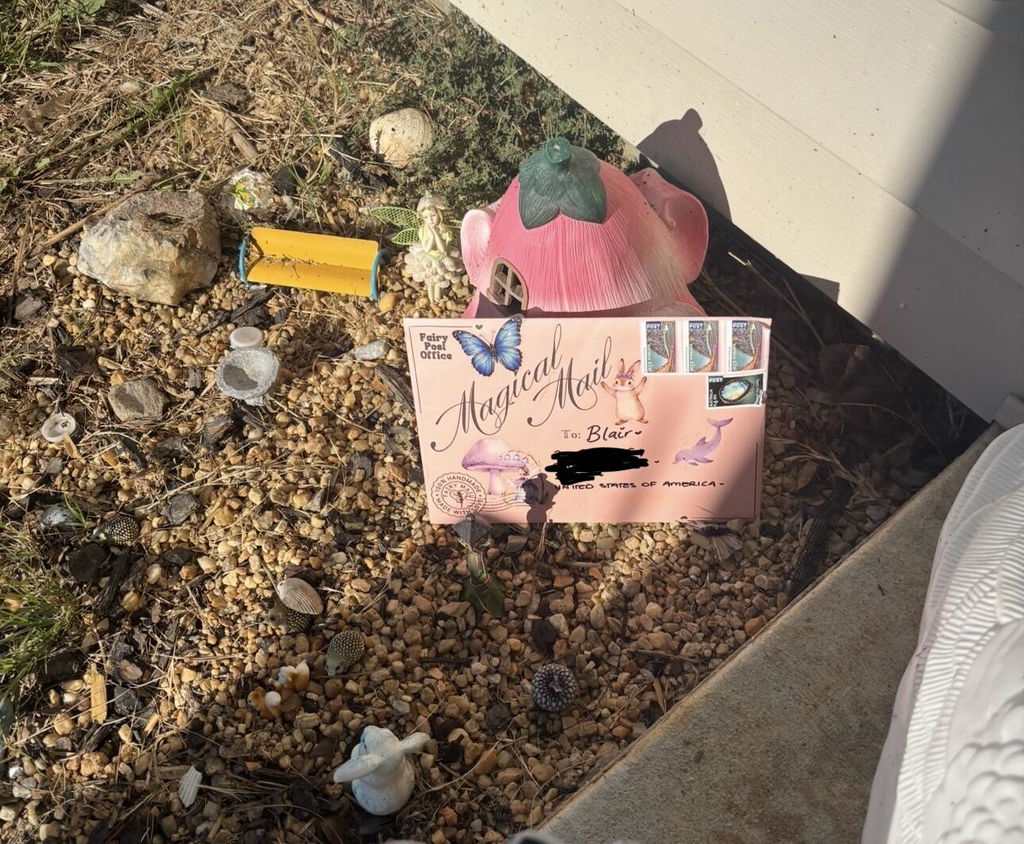
When a child knows a letter is coming — perhaps a fairy letter arriving on the first of the month — they experience anticipation. That daily trip to the letterbox, the watching and wondering, the excitement building over days — this is a genuinely valuable emotional experience.
In an age of instant gratification, anticipation teaches children that good things are worth waiting for. It builds patience, hope, and the ability to delay satisfaction — a skill that research consistently links to better outcomes across many areas of life.
Physical Objects Create Stronger Memories
Neuroscience tells us that physical, tactile experiences create stronger memories than digital ones. When a child holds a letter — feels the weight of the paper, traces the wax seal, opens the envelope carefully — they are engaging multiple senses simultaneously.
This multi-sensory experience makes the memory more vivid and more lasting. It's why adults still remember letters they received as children, while barely recalling emails from last week.
For children who receive a Fairy Post Office letter, this is amplified further — the fairy dust, the keepsakes, the texture of the pearl paper — every element is designed to be felt as much as read.
Letters Support Literacy Development
Reading a physical letter is different from reading on a screen. Research suggests that children read more slowly and more deeply when engaging with printed material — they reread, they linger, they absorb.
For early readers especially, a letter addressed specifically to them — with their name at the top, telling a story about them and for them — is profoundly motivating. Children who struggle to engage with reading at school will often read their fairy letter again and again, simply because it feels personal.
The Fairy Post Office letters are crafted with early childhood education principles in mind, using age-appropriate language and stories that grow with your child from age 3 to 11.
Emotional Development and Feeling Seen
One of the deepest human needs — at any age — is to feel seen. To feel that someone has thought specifically of you, taken time for you, and made something just for you.
A personalised letter delivers this in a way that generic gifts simply cannot. When a child opens an envelope with their name on it and reads words written just for them, something important happens emotionally — they feel valued, known, and special.
For children navigating big feelings, social challenges, or difficult transitions, this sense of being seen can be genuinely transformative.
It Builds a Relationship With Communication
Children who grow up giving and receiving physical letters develop a different relationship with communication — one that values thoughtfulness, craft, and genuine connection over speed and convenience.
Many Fairy Post Office families tell us their children begin writing back to the fairies, or start sending letters to grandparents, or ask for their own stationery set. The letter inspires the letter writer.
In a world that increasingly prizes speed over depth, this is a gift worth giving.
The Simple Joy of Something in the Post
And finally — beyond all the science and development theory — there is the simple, irreplaceable joy of a child running to the letterbox and finding something just for them.
That moment. That face. That squeal of excitement.
No screen in the world replicates it.
Give your child the magic of real mail, every month → fairypostoffice.com
0 comments